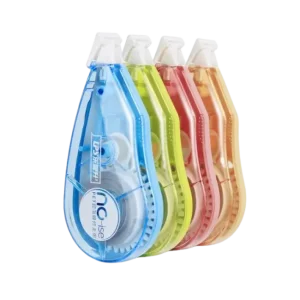
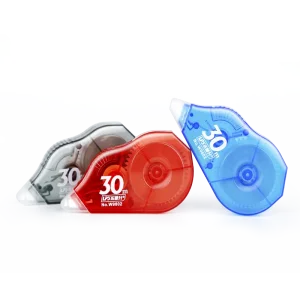
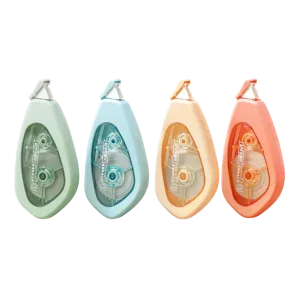
1. The Evolution of Backing Films
Historically, low-cost correction rollers relied on paper backing films, which frequently broke under high tension. The industry then transitioned to BOPP (Biaxially Oriented Polypropylene) films, and later to PET (Polyethylene Terephthalate) backing films. Today, LPS utilizes ultra-thin, high-tensile PET backing films (as thin as 12 micrometers) to prevent snapping during quick corrections. In our R&D roadmap, we are working to introduce bio-based, compostable PLA backing films, aiming to reduce the environmental footprint of single-use casings without sacrificing structural strength.
2. Next-Generation Adhesive Formulas
The primary performance factor for correction tape is its adhesive transfer mechanism. A high-quality tape must release cleanly from its PET backing film under pressure, adhere firmly to the paper substrate, and resist tearing. Our chemistry lab works to optimize the balance of titanium dioxide (for opacity), synthetic elastomers (for flexibility), and pressure-sensitive resins. This formulation prevents the tape from cracking when folded and ensures it remains compatible with standard writing tools like gel pens and highlighters.
3. Precision Internal Gear Mechanisms
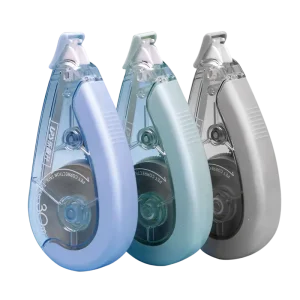
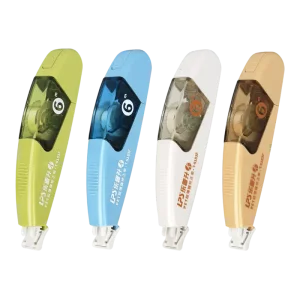
Tension control is critical to preventing loop slack inside the casing. Our mechanical engineers have developed auto-tensioning gear systems that dynamically adjust feed and take-up ratios as the tape spool is used. Additionally, models like the T-9821 Quiet Correction Tape feature silent, micro-spaced gear teeth to reduce clicking sounds, making them ideal for classrooms, libraries, and quiet office environments.
4. Eco-friendly Systems & Design for Circularity
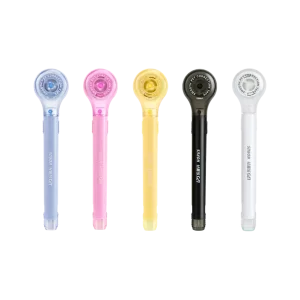
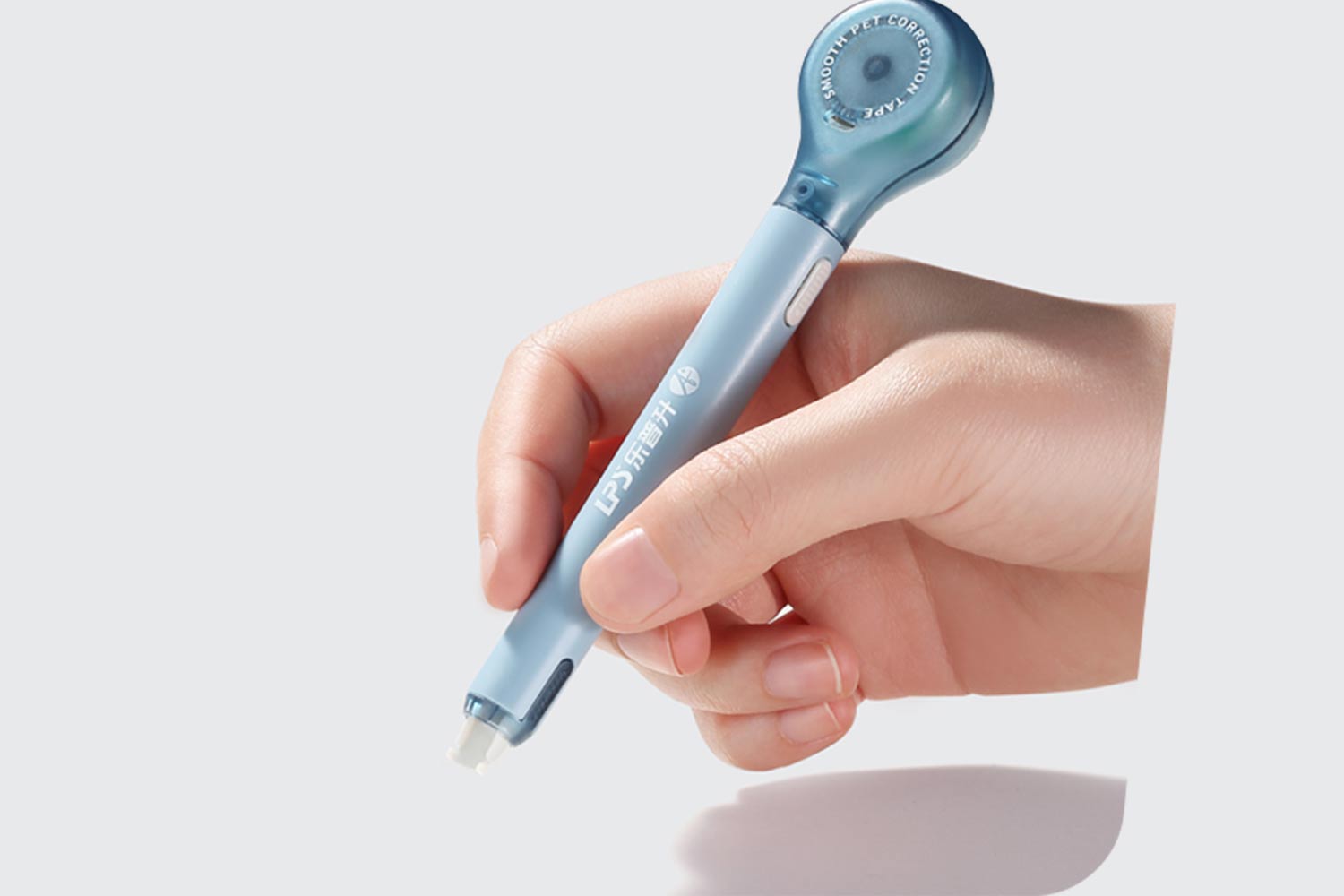
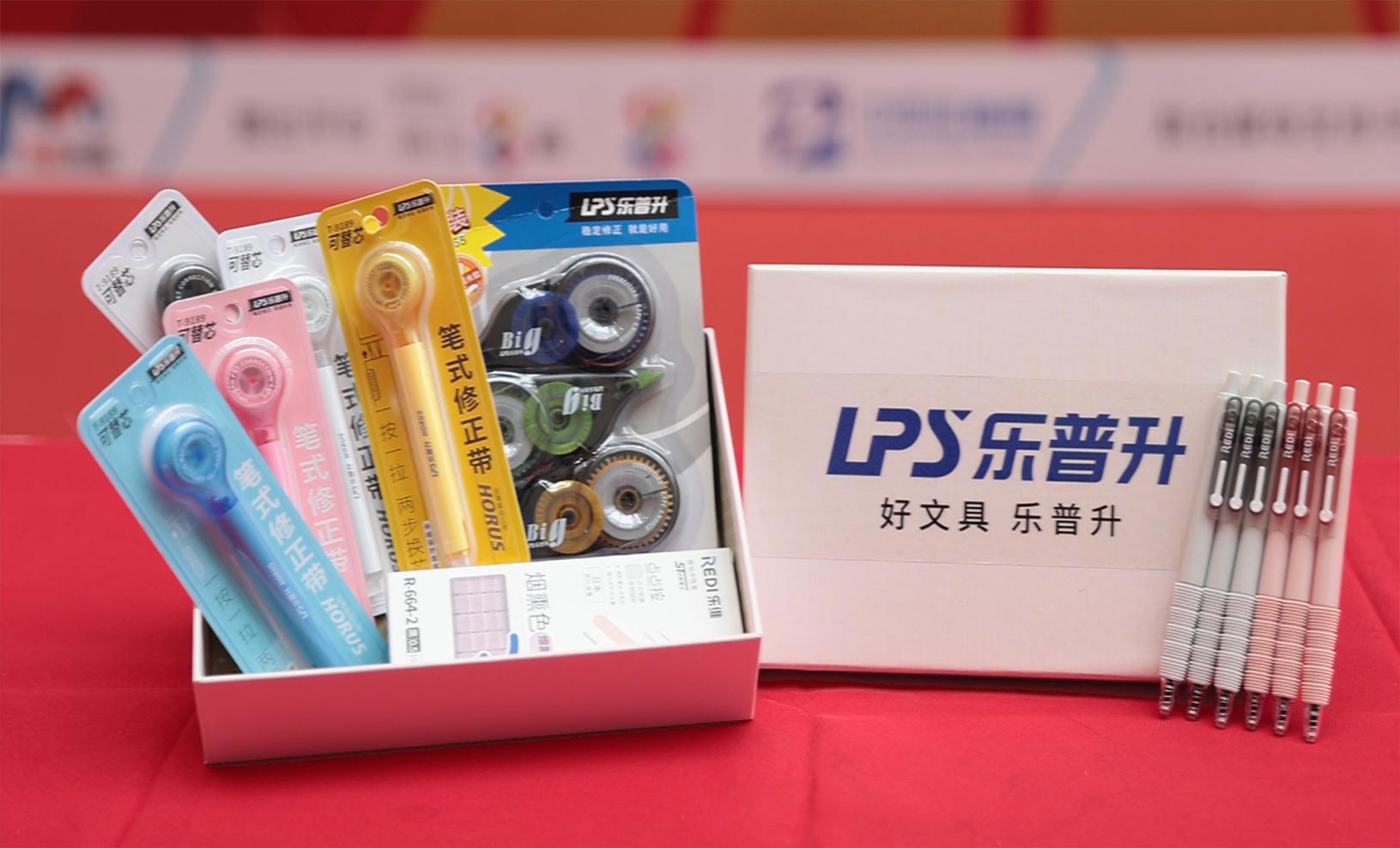
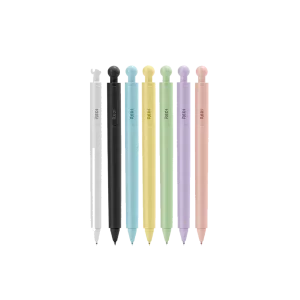
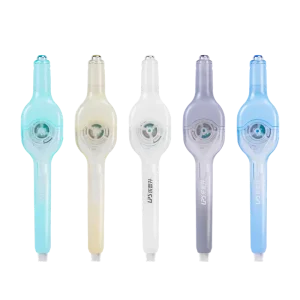
Environmental responsibility is reshaping the global stationery market. LPS is addressing this by expanding our line of refillable, pen-style models (such as the T-9183 and T-9290). These designs allow users to replace the internal tape core while reusing the outer plastic shell. We are also optimizing our manufacturing processes to use post-consumer recycled (PCR) polycarbonate and ABS resins in our standard product casings.
 Lepusheng