 Lepusheng
Why choose Green Correction Tape for bulk buying? The answer begins with purchasing efficiency, not a fashionable color. Offices, schools, and retailers often use correction tape daily. Repeated small purchases can create extra cartons, invoices, and delivery emissions.
The OECD Global Plastics Outlook reported that global plastic production reached 460 million tonnes in 2019. It also recorded 353 million tonnes of plastic waste that year. These figures do not measure correction tape specifically. They do show why packaging and material choices deserve closer attention. Bulk ordering may reduce the number of outer boxes and transport events per unit. The result depends on shipment size, packaging design, and actual consumption.
Bulk is not automatically greener.
William McDonough, a leading sustainable-design expert, has said, “Waste equals food.” His principle encourages buyers to examine the entire product life cycle. With Green Correction Tape, that means checking the dispenser material, tape length, refill compatibility, and supplier packaging. A large carton may look economical beside a printer or classroom cabinet. However, unused stock can become waste when adhesive quality declines or designs change. That weakness matters.
Reliable buyers should compare unit prices with packaging weight and delivery frequency. They should request technical specifications, safety documentation, and recycling guidance from suppliers. Industry reports provide useful context, but they cannot replace product-level evidence. Green Correction Tape can support a more organized purchasing strategy, provided the “green” claim is tested rather than accepted. That extra question may save money, materials, and regret.
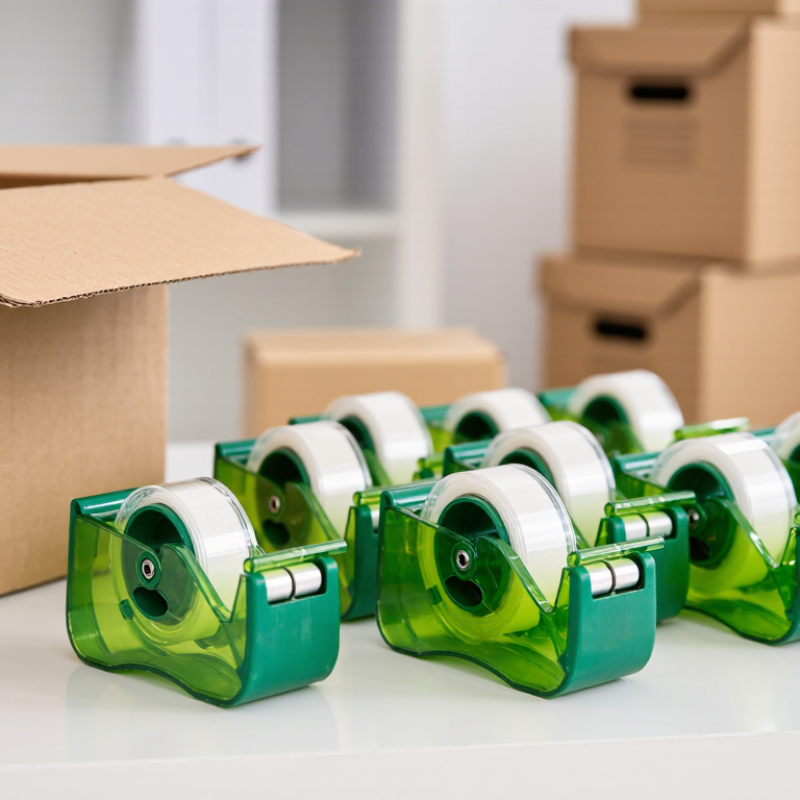
Why Choose Green Correction Tape for Bulk Buying?
Product Definition: Green Correction Tape and Its Environmental Criteria
Green correction tape is a dry covering tool, usually made with a polymer film or paper carrier and an opaque coating. Its green color identifies the product, but it does not prove environmental performance. A green shell can still hide mixed materials, difficult recycling, or excessive packaging. Buyers should examine the tape structure, recycled content, packaging weight, and disposal instructions.
ISO 14021 requires self-declared environmental claims to be specific, measurable, and verifiable. “Recyclable” is not enough. Collection facilities must also accept the product. This matters because the OECD’s Global Plastics Outlook reported 353 million tonnes of plastic waste worldwide in 2019, while only 9% was recycled. For bulk orders, suppliers should provide material declarations, test records, and clear recycling guidance. Ask for evidence.
Paper-based packaging can reduce unnecessary plastic, especially when designed for established recycling systems. CEPI’s European paper recycling monitoring reports have recorded recycling rates above 80% in recent years. However, packaging still needs careful sorting. Adhesive residue may complicate recovery. Durability is another environmental criterion. A tape that tears, dries out, or needs frequent replacement creates more waste. In practical purchasing tests, inspect line coverage, casing strength, and storage stability before ordering thousands of units. I would not call any product fully sustainable without reviewing its complete life cycle. The label helps, but it is only a starting point.
| Evaluation Dimension | Product Definition or Data Point | Environmental Criterion | Bulk-Buying Relevance | Assessment |
|---|---|---|---|---|
| Product Function | Dry correction tape applies an opaque coating over printed or handwritten text without liquid solvent drying time. | Avoids the evaporation of liquid correction-fluid solvents during normal use. | Suitable for offices, schools, warehouses, and other high-use environments where quick correction is required. | Favorable |
| Main Tape Material | The correction layer is commonly made from a polymer film coated with an opaque correction compound and adhesive system. | Material composition should be disclosed clearly, especially for the film, coating, and adhesive. | Material transparency makes it easier to compare multiple cartons and establish procurement standards. | Check specification |
| Housing Material | Most correction-tape dispensers use molded plastic components to protect and guide the tape. | PVC-free construction and the use of recyclable plastic types are preferred where supported by local recycling systems. | Housing material affects end-of-life handling across large quantities of used dispensers. | Preferred criterion |
| PVC Content | PVC-free means that polyvinyl chloride is not intentionally used in the specified product components. | Request a written PVC-free declaration or a material statement from the supplier. | A documented requirement helps maintain consistent environmental criteria throughout a bulk order. | Verify before purchase |
| Recyclability | Recyclability depends on the actual materials, component separation, local collection rules, and recycling infrastructure. | Do not describe the complete dispenser as universally recyclable without location-specific evidence. | Clear disposal guidance reduces contamination and improves waste-sorting consistency at larger sites. | Location dependent |
| Packaging Efficiency | Bulk orders generally consolidate many individual units into inner boxes and master cartons. | Prefer right-sized cartons, recycled-content paper packaging, and minimal unnecessary plastic wrapping. | Fewer deliveries and less packaging per unit can reduce handling and packaging waste, depending on order planning. | Potential benefit |
| Packaging Material | Paperboard cartons and corrugated fiberboard are commonly used for secondary and transport packaging. | Paper packaging should be clean, dry, and accepted by the intended local recycling program. | Standardized paper-based packaging simplifies collection in offices, schools, and distribution centers. | Preferred option |
| Product Longevity | A correction-tape dispenser should advance smoothly, maintain tape tension, and resist breakage during normal use. | Longer service life can reduce replacement frequency and the amount of discarded plastic per correction made. | Durability is especially important when purchasing large quantities for shared or frequent-use locations. | High priority |
| Correction Performance | Key performance indicators include smooth application, adequate opacity, clean coverage, and immediate write-over. | Reliable performance helps prevent wasted tape caused by reapplication, tearing, or rejected corrections. | Consistent performance reduces consumption variance and makes bulk usage easier to forecast. | High priority |
| Chemical Information | Relevant documentation may include safety data, restricted-substance declarations, and coating or adhesive information. | Prefer products supported by transparent compliance documentation rather than unsupported environmental claims. | Document control is useful for institutional purchasing, audits, and supplier comparisons. | Request documentation |
| Environmental Claims | Terms such as “green,” “eco-friendly,” or “environmentally friendly” should be linked to specific measurable attributes. | Use evidence-based claims such as PVC-free, recycled-content packaging, or documented recyclability conditions. | Specific criteria make large-volume purchasing decisions more objective and reduce greenwashing risk. | Evidence required |
| Bulk Procurement Metric | Compare total delivered cost, usable tape length, failure rate, packaging per unit, and expected service life. | Environmental performance should be assessed together with material use, waste, and product efficiency. | A lower unit price alone may not represent the best value if waste or replacement rates are higher. | Use total-value review |
| End-of-Life Guidance | Used tape and dispensers should be handled according to local waste and recycling instructions. | Separate components only when local facilities accept them and separation is practical. | Including disposal instructions with bulk shipments supports consistent behavior across multiple users. | Required guidance |
Ask for the percentage by mass. Request batch records and production declarations. Packaging color proves nothing. The wording matters.
Yes. They should distinguish pre-consumer from post-consumer material. “Contains recycled plastic” is vague. A percentage gives clearer evidence.
No. It only checks whether the claim is defined and supported. Housing, adhesive, film, packaging, and disposal still matter.
Compare tape weight, packaging weight, carton count, and recycled percentage. Check every batch. One calculation method should remain consistent.
It may reduce shipping trips and outer packaging. However, unused stock creates another waste problem. Order volume needs careful review.
Usually, not automatically. Cartridges may combine plastic shells, adhesive, and coated film. Separate paper inserts where local rules allow.
Test each roll on 80 gsm office paper. Use black ink, blue ink, printed forms, and handwriting. Record covered characters after one pass.
Apply strips with equal pressure. Inspect lifted edges after 24 hours. Wait 30 seconds before writing. Test pens and pencils separately.
Test a defined sample, such as 200 rolls. Record smearing, peeling, tearing, and broken tape. A few convenient samples can mislead.
Combine material evidence, packaging data, local disposal rules, and quality records. Keep one shared inspection sheet. The process remains imperfect, but it is better than vague claims.
Green Correction Tape is designed for buyers seeking both dependable writing correction and a more responsible material profile. Its environmental value should be evaluated through clear criteria, including recycled content, packaging choices, and end-of-life considerations. ISO 14021 can help verify self-declared recycled-content claims by requiring transparent, evidence-based statements rather than relying on vague environmental language. Paper recovery should also be viewed in context: the EPA’s reported 46.0-million-ton paper recovery figure illustrates the scale of recycling potential, while actual outcomes still depend on product composition, collection systems, and contamination levels.
For bulk purchasing, value extends beyond the unit price. Buyers should compare MOQ pricing, reduced packaging per item, warehouse space, inventory turnover, and the cost of potential waste. Before approval, quality testing should benchmark coverage, adhesion, drying time, smooth application, and failure rates across samples and batches. A Green Correction Tape product that combines verified material information, efficient bulk logistics, and consistent performance can support practical purchasing goals while reducing unnecessary packaging and replacement costs.
