
Lepusheng
In the fast-paced world of stationery products, the demand for "Good Correction Tape" has risen significantly. According to recent market research, correction tape sales in China have surged, showing a growth rate of 8% annually. This trend is driven by the increasing reliance on paper-based communications across educational and professional settings. Buyers are seeking reliable solutions that ensure clean and effective corrections on important documents.
The selection of correction tape is critical. A quality tape not only prevents smudging but also promotes better readability. Inadequate options may lead to frustrations among users, as many correction tapes can be challenging to apply. Moreover, well-standardized products adhere better to paper and resist lift-off, a critical characteristic buyers value. Industry experts suggest that good correction tape products should be evaluated based on ease of use, durability, and overall effectiveness.
Reviews and ratings play a crucial role in guiding buyers. They reveal user experiences and highlight the performance of various brands. As global buyers navigate this competitive market, they must discern the difference between hype and actual quality. Ultimately, the choice of a "Good Correction Tape" can significantly impact productivity and accuracy in workflow, emphasizing the need for informed purchasing decisions.
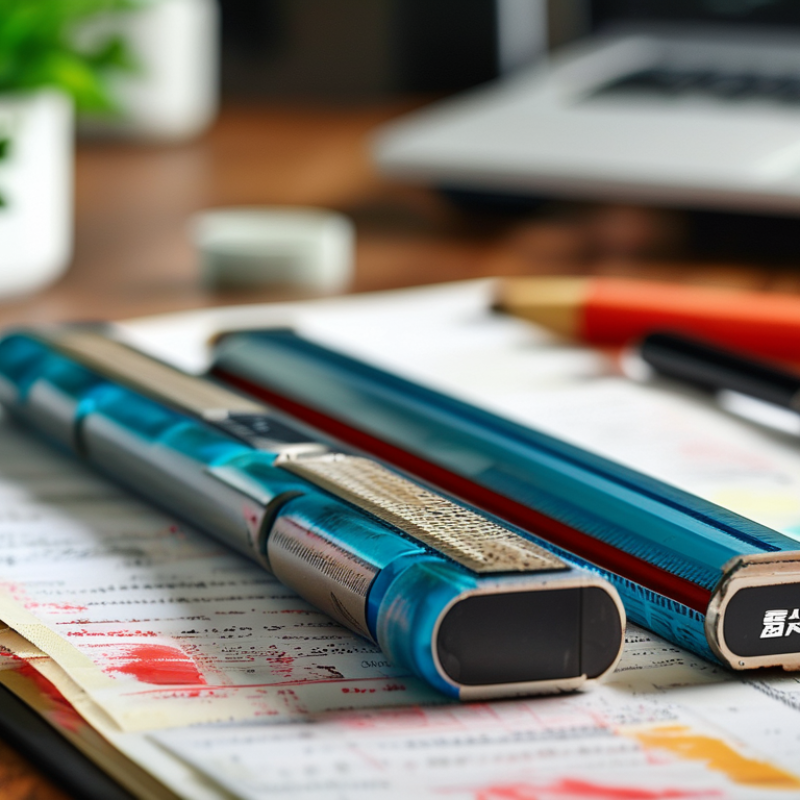
Correction tape is widely used in China, making it popular among students and office workers. Several types cater to different needs. The most common type is the traditional correction tape, which provides a smooth, white layer over errors. This type is easy to use and dries quickly, allowing for immediate writing on top.
Another popular type is the double-sided correction tape. This tape is designed for more complex corrections. It adheres to both sides of the paper, making it ideal for presentations or important documents. Users appreciate its versatility, as it can be used on various surfaces. However, some might find it challenging to apply correctly without causing wrinkles.
For art projects, specialty correction tapes are available. These come in various colors and designs, appealing to creative individuals. Yet, the challenge lies in finding the right one that suits a specific project. Some users may feel overwhelmed by the options. Using the wrong type can lead to more frustration than correction. As users explore their choices, it's crucial to consider both functionality and personal preference.
Choosing the right correction tape can be a challenge. Understanding key features is essential for global buyers. The tape's width matters. A wider tape covers more area but may be clunky. Narrow tapes offer precision but may require extra application pressure.
Another point to consider is the tape's consistency. A smooth application is crucial. Choppy or uneven rolls can lead to frustration. Different brands may vary in quality, so testing a few options is wise.
Tips: Always check for a comfortable grip. A well-designed dispenser can make a world of difference. Prolonged use may lead to hand fatigue. Consider how often you'll use the tape. For occasional fixes, lightweight options are sufficient. For frequent corrections, a more robust choice is essential. Evaluating your needs is key to making the best selection.
| Model | Length (meters) | Width (mm) | Drying Time (seconds) | Price (RMB) | User Rating (out of 5) |
|---|---|---|---|---|---|
| Standard Correction Tape Type A | 10 | 5 | 5 | 12 | 4.8 |
| Premium Correction Tape Type B | 15 | 6 | 3 | 18 | 4.9 |
| Compact Correction Tape Type C | 8 | 4 | 4 | 10 | 4.5 |
| Eco-friendly Correction Tape Type D | 12 | 5 | 6 | 15 | 4.7 |
| Invisible Correction Tape Type E | 20 | 7 | 2 | 25 | 4.6 |
When considering correction tape for global markets, several Chinese brands stand out. These brands focus on quality, reliability, and user satisfaction. Importers often seek tapes that feature smooth application and minimal drying time. Thus, the designs must ensure ease of use.
Selecting the right correction tape involves understanding various factors. Some tapes are user-friendly, while others may pose challenges. For example, tapes with a narrow width might be harder to apply. Moreover, testers often note variations in tape longevity. Not all products perform equally over time. Consistent performance across different environments is essential for international buyers.
In addition to functionality, packaging plays a significant role in global markets. Eye-catching designs can enhance a product's appeal. However, balancing attractive design with sustainability is an ongoing challenge for many manufacturers. Continuous improvements in both operational practices and product quality are vital. This ensures a strong reputation in competitive markets.
Correction tapes have become essential tools for students and professionals alike. Many users appreciate their ease of use and portability. Feedback often highlights the smooth application and quick drying features. Users have shared experiences of frustration when tapes jammed or didn’t adhere well to the paper. Such issues can interrupt workflow and lead to dissatisfaction.
In addition, some users have pointed out the impact of environmental factors. Humidity can affect the tape's performance, causing it to become less effective. Others have voiced concerns about durability and longevity. It's not uncommon for users to find that some tapes dry out sooner than expected. Understanding these factors helps buyers make informed choices.
User reviews frequently emphasize the importance of testing different products. While some prefer a particular texture or width, others might prioritize cost-effectiveness. Many acknowledge that personal preferences shape their experiences. The variety in feedback indicates that no single correction tape suits everyone perfectly. Each user’s journey can lead to a better understanding of what correction tape meets their specific needs.
As the demand for correction tape rises in China, understanding market trends is crucial. Consumers lean towards user-friendly products. The appeal lies in ease of use and efficiency. Buyers favor tape dispensers that allow smooth application. The design often influences the purchasing decision. Colorful and ergonomic designs capture attention.
Sales data indicates a shift. Digital tools are gaining traction, yet traditional correction tape remains relevant. Many students and professionals still prefer physical products. The tactile experience of using correction tape provides satisfaction. However, market saturation poses challenges. New entrants can struggle against established players. Pricing and quality disparities often confuse consumers.
Innovation is key to future growth. Sustainable materials can attract eco-conscious buyers. Additionally, incorporating multipurpose features may enhance usability. The rise of online shopping offers new avenues for correction tape sales. However, logistics and customer service require focus. This evolving landscape demands adaptability and creativity from manufacturers. A continuous assessment of consumer preferences will guide future developments.
: The most common type is traditional correction tape. It provides a smooth, white layer over errors.
It is excellent for complex corrections and adheres to both sides of the paper.
Yes, there are colored and designed tapes for art projects. They appeal to creative individuals.
Wider tapes cover more area. Narrow tapes offer precision but need more pressure to apply.
Smooth application is vital. Uneven rolls can create frustration during use.
A comfortable grip can reduce hand fatigue during prolonged use.
Evaluate your needs based on how often you need corrections.
Using the wrong type can frustrate you instead of helping with the correction.
Yes, some types are versatile and work well on different surfaces.
Take time to test different tapes. It’s crucial to find one that suits your personal preference.
This article provides a comprehensive overview of the different types of correction tapes that are popular in China, highlighting the unique attributes that make a "Good Correction Tape." Key features to consider when choosing correction tape include the tape's opacity, ease of use, and refillability, which impact the effectiveness and user satisfaction.
Furthermore, the piece examines the top-rated correction tape brands in China that cater to global buyers, emphasizing user reviews and feedback, which play a crucial role in identifying product reliability. It also discusses current market trends and forecasts future sales within the correction tape industry in China, reflecting an increasing demand for quality stationery products worldwide.
