Choosing the right Correction Tape supplier in 2026 requires more than comparing catalog prices. Global buyers must examine product consistency, application quality, packaging, certifications, and delivery reliability. A tape may look smooth during a sample test, then tear when used quickly in a busy classroom or office. That small failure can create returns, delays, and unnecessary waste.
“Reliable correction tape should disappear on the page, not from the buyer’s quality checks,” says Elena Morris, an independent stationery sourcing consultant with experience in writing instruments and office supplies. Her point is practical. Buyers should inspect tape adhesion, coverage, rewinding performance, and housing strength before placing large orders. Clear technical data matters. So does a supplier’s response when something goes wrong.
This guide reviews leading Correction Tape suppliers for global purchasing teams in 2026. It considers manufacturing experience, private-label capability, minimum order quantities, quality-control systems, export support, and communication speed. It also looks at details that product pages often hide, such as uneven coating, brittle plastic shells, weak cutting edges, and inconsistent carton labeling. These issues are easy to overlook.
No supplier is perfect.
Market conditions change. Shipping performance can vary by region, and even established manufacturers may experience production pressure. Buyers should request recent samples, confirm specifications in writing, and test products under real working conditions. The best choice is not always the cheapest offer. It is the supplier that delivers dependable Correction Tape, communicates honestly, and supports quality after the purchase.
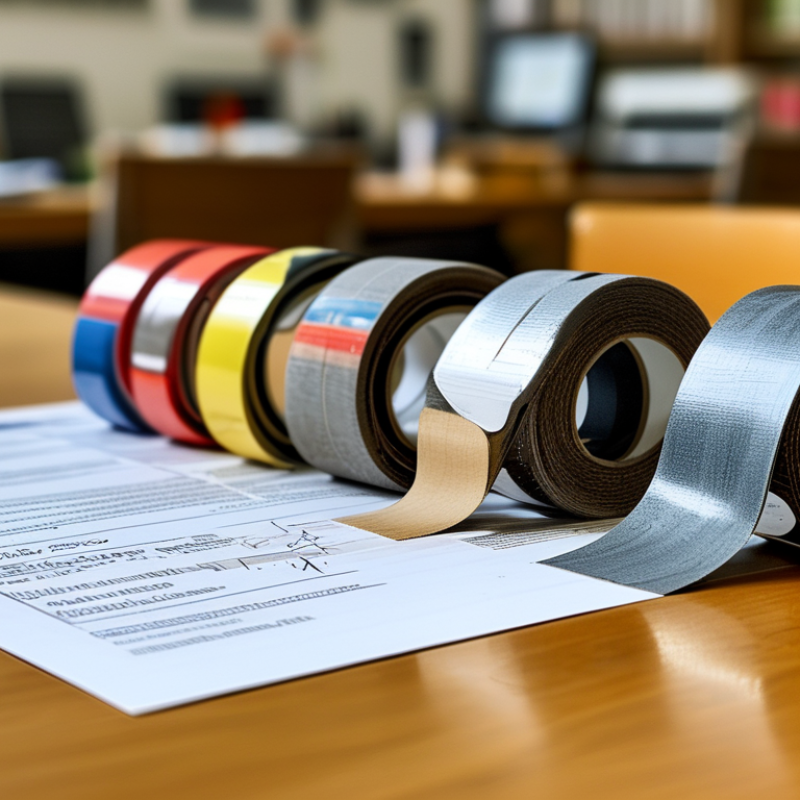
2026 Market Baseline: HS 9612 Trade Data, CAGR, and Regional Demand
Global buyers should treat HS 9612 as a useful baseline, not a perfect correction-tape category. UN Comtrade and ITC Trade Map record HS 9612 trade for inked ribbons and related products, but correction tape is not always separated clearly. Customs descriptions can differ between countries. That creates data noise. Recent commercial stationery reports, including 2024 outlooks from Research and Markets and Mordor Intelligence, commonly estimate correction-related stationery growth at roughly 4%–6% CAGR through 2030. Buyers should verify this range against five-year import values before setting targets.
Regional demand is uneven. Asia remains important for production and price-sensitive volume. Europe rewards clean packaging, consistent tape coverage, and dependable documentation. North American buyers often focus on school, office, and institutional purchasing cycles. A supplier’s sample may look excellent, yet the roll can break after storage in humid conditions. My procurement checks include tape adhesion, smooth cutting, dispenser strength, roll length, and carton moisture protection. One overlooked detail is refill compatibility. It can create unnecessary returns.
Tips: Compare HS 9612 data with national customs records. Ask for batch-level test results. Check net tape length, not only unit price. Request samples after heat and humidity exposure. Calculate CAGR from verified import values, because published market estimates are not perfectly consistent.
Correction Tape Formats: 4.2–5 mm Widths, 6–15 m Lengths, and Refills
2026 Best Correction Tape Suppliers for Global Buyers
Correction tape looks simple, but its format affects writing comfort, coverage, and shipping value. Global buyers commonly compare widths from 4.2 to 5 mm. The 4.2 mm format suits narrow handwriting and compact planners. A 5 mm tape covers standard printed text more quickly. Lengths usually range from 6 to 15 meters, so buyers should match capacity with daily usage. A 6-meter unit is practical for occasional schoolwork. A 15-meter unit reduces replacement frequency in busy offices. However, longer tape may increase housing size and handling weight.
Refill compatibility deserves equal attention. A supplier should provide clear core dimensions, installation instructions, and sample testing. Check whether the refill runs smoothly without skipping, tearing, or exposing loose film. In my experience, a smooth applicator matters more than attractive packaging. Small alignment errors can waste several centimeters each time. Buyers should request batch samples, technical sheets, and carton specifications before placing a larger order. These records support quality checks and reduce misunderstandings across languages and time zones.
Tips: Test both 4.2 mm and 5 mm widths on real documents. Measure actual usable length, not only the advertised length. Ask for refill samples from different production batches. Confirm film opacity under bright office lighting. A wider tape is not always better. Sometimes, the smallest format feels more precise. Supplier claims still need practical verification.
2026 Best Correction Tape Suppliers for Global Buyers? - Correction Tape Formats: 4.2–5 mm Widths, 6–15 m Lengths, and Refills
| Format Type |
Tape Width |
Standard Length |
Refill Availability |
Applicator Style |
Recommended Writing Use |
Key Buying Considerations |
| Compact Mini |
4.2 mm |
6 m |
Usually limited |
Sideways or angled applicator |
Fine handwriting, planners, and small corrections |
Small footprint; suitable for pencil cases and portable stationery kits |
| Standard Pocket |
5 mm |
6 m |
Available in selected formats |
Sideways applicator |
General handwriting and schoolwork |
Balanced portability and coverage; check whether the tape is suitable for ballpoint ink |
| Standard Office |
5 mm |
8 m |
Common |
Sideways applicator with protective cap |
Office forms, notes, and daily document correction |
Good all-purpose format; evaluate tape adhesion, smoothness, and break resistance |
| Long-Use Office |
5 mm |
10 m |
Common |
Ergonomic sideways applicator |
Frequent office, classroom, and administrative use |
Lower replacement frequency; packaging should protect the exposed tape head |
| Extended Value |
5 mm |
12 m |
Often available |
Sideways applicator with tension control |
High-volume writing and shared stationery supplies |
Confirm consistent coating thickness and smooth application over long runs |
| Extra-Length Format |
5 mm |
15 m |
Common in refillable designs |
Large-capacity applicator |
Institutional purchasing and heavy daily use |
Check housing durability, take-up wheel performance, and storage stability |
| Refill Cartridge |
4.2–5 mm |
6–15 m |
Refill format |
Cartridge designed for a compatible reusable body |
Cost-conscious offices and reduced-plastic stationery programs |
Compatibility depends on housing dimensions, gear layout, tape width, and cartridge length |
| Twin-Pack Retail Set |
4.2–5 mm |
6–10 m per unit |
Not applicable |
Two compact disposable applicators |
School retail, promotional bundles, and household stationery |
Review blister or carton protection, individual sealing, and total tape length per pack |
Specification ranges are typical trade formats rather than universal standards. Global buyers should confirm final tape width, usable length, refill compatibility, applicator dimensions, packaging language, and applicable market requirements with the supplier before placing an order.
Supplier Quality Checks: ISO 9001, Adhesion, Coverage, and Defect Data
Choosing the best correction tape suppliers for global buyers requires more than a clean product sample. ISO 9001 certification is a useful starting point, but it does not guarantee every production lot performs equally. Buyers should request the certificate scope, audit date, corrective-action records, and batch traceability. A supplier that shares these documents promptly shows stronger process control.
Adhesion testing should use common office paper, recycled paper, and slightly rough surfaces. Check whether the tape applies smoothly, covers ink completely, and remains attached after folding. Coverage matters during real writing, not only under bright inspection lights. Ask for test methods, sample sizes, pass rates, and defect data from recent shipments. Useful records include broken tape, exposed adhesive, uneven coating, loose shells, and missing caps. Small defects become expensive when thousands of units reach schools or offices.
Keep samples from different production dates. One sample can mislead. In one practical review, a smooth first sample hid inconsistent cutting in later cartons. That mistake was avoidable. Suppliers should explain their sampling plans and offer replacement data when results fall outside limits. Buyers also need to compare declared performance with independent checks. A certificate may look impressive, yet weak evidence remains weak evidence. Reliable sourcing depends on repeatable tests, honest reporting, and visible improvement when failures occur.
Global Compliance: REACH, RoHS, EN 71-3, and Packaging Documentation
For global buyers, correction tape suppliers must provide more than a clean-looking sample.
They need traceable compliance files for the tape body, adhesive, pigment, dispenser, and packaging. The EU Safety Gate report recorded 3,412 alerts in 2023. This shows why visual inspection alone is insufficient. Ask for recent REACH declarations, laboratory reports, material lists, and batch references.
REACH screening should cover substances of very high concern and restricted chemicals. RoHS may not apply to ordinary correction tape, but it can matter for electrically powered dispensers or related accessories. EN 71-3 is relevant when a product is marketed as a toy or child-focused item. It tests the migration of elements from accessible materials. The scope must be confirmed carefully.
A copied certificate is not enough.
Packaging documents deserve equal attention.
The OECD’s Global Plastics Outlook reported 353 million tonnes of plastic waste in 2019, with only 9% recycled. Suppliers should identify packaging materials, recycled content, inks, adhesives, and disposal markings. Request packaging specifications, composition statements, and transport test records where applicable.
In practice, some suppliers send declarations without matching production batches. That assumption fails. Buyers should verify document dates, test methods, laboratory accreditation, and product photos.
I would also keep sealed samples from each shipment.
It feels excessive. It prevents expensive arguments later.
Supplier Selection: MOQ, OEM Capacity, Lead Time, and Incoterms 2020
For 2026, correction tape buyers should assess suppliers beyond unit price. MOQ, OEM capacity, lead time, and Incoterms 2020 often decide the real landed cost. The World Bank’s Logistics Performance Index 2023 covered 139 economies and surveyed thousands of logistics professionals. It shows that shipment reliability remains a major supply-chain concern. That matters.
Ask for a clear MOQ by color, tape width, length, and packaging format. A low MOQ is not automatically a win. It may indicate limited production efficiency or higher material costs. Request recent samples, production photos, and quality records. Check whether the supplier can customize shells, labels, cartons, and refill structures. OEM claims should include tooling ownership, testing procedures, and approved artwork control. Ask for proof.
Lead time should separate sample approval, tooling, production, inspection, and export booking. Many buyers only record the factory production period. That approach can create avoidable delays. The World Trade Organization has repeatedly highlighted trade-cost pressure from inefficient border and logistics processes. Build buffer days into the purchase plan. A practical purchase order should define the shipping window, delay notice period, and remedy for missed delivery.
Incoterms 2020 must match the buyer’s actual logistics capability. Under EXW, the buyer may manage pickup, export procedures, and inland risks. Under FOB, responsibilities differ at the named port. Under DDP, tax and import obligations require careful legal review. Never accept “shipping included” without a named Incoterm, place, and version. Keep it written. My own caution is simple: supplier promises can sound precise, while small packaging changes still disrupt schedules.
FAQS
: No. Certification shows process control, not perfect results in every production lot. Ask for the certificate scope, audit date, corrective actions, and batch records. One certificate is not enough.
Test it on office paper, recycled paper, and slightly rough surfaces. Check smooth application, complete ink coverage, and attachment after folding. Real paper matters.
Request recent defect rates and sample sizes. Useful categories include broken tape, exposed adhesive, uneven coating, loose shells, and missing caps. Small faults multiply across large shipments.
One sample can hide later production problems. Keep sealed samples from several dates and compare cutting, coverage, shell fit, and tape movement. A smooth first sample may mislead.
Request current declarations, laboratory reports, material lists, and batch references. Documents should cover the tape body, adhesive, pigment, dispenser, and packaging. Check dates and test methods.
No. Testing depends on materials, product design, and marketing claims. Child-focused products may need migration testing for accessible materials. Electrically powered versions may require additional substance controls. Confirm the actual scope.
Ask for packaging materials, recycled content, inks, adhesives, disposal markings, and transport-test records. Compare documents with production batches and product photographs. Keep sealed shipment samples. It feels excessive.
Request minimum quantities by color, width, length, and packaging format. For customization, confirm tooling ownership, artwork approval, testing, and refill compatibility. A low minimum quantity may hide higher material costs.
Separate sample approval, tooling, production, inspection, and export booking. Add buffer days for border and transport delays. The factory period is only one part.
Write the exact trade term, named place, version, shipping window, and delay remedy. Do not accept “shipping included” without details. Responsibilities can change significantly between collection, port delivery, and destination delivery.
Conclusion
This guide provides a practical framework for global buyers evaluating Correction Tape suppliers in 2026. It begins with the market baseline, including HS 9612 trade data, estimated CAGR trends, and regional demand patterns, then compares common formats such as 4.2–5 mm widths, 6–15 m lengths, and refillable designs. These specifications help buyers match product performance with school, office, retail, and institutional requirements.
The article also explains how to assess supplier quality through ISO 9001 systems, adhesion and coverage testing, defect-rate records, and production consistency. Global compliance considerations include REACH, RoHS, EN 71-3 where applicable, and complete packaging documentation. Finally, buyers can compare MOQ requirements, OEM and customization capacity, lead times, and Incoterms 2020 before selecting a dependable supplier. A structured evaluation process can reduce purchasing risks, improve cost control, and support stable international supply.
 Lepusheng
